

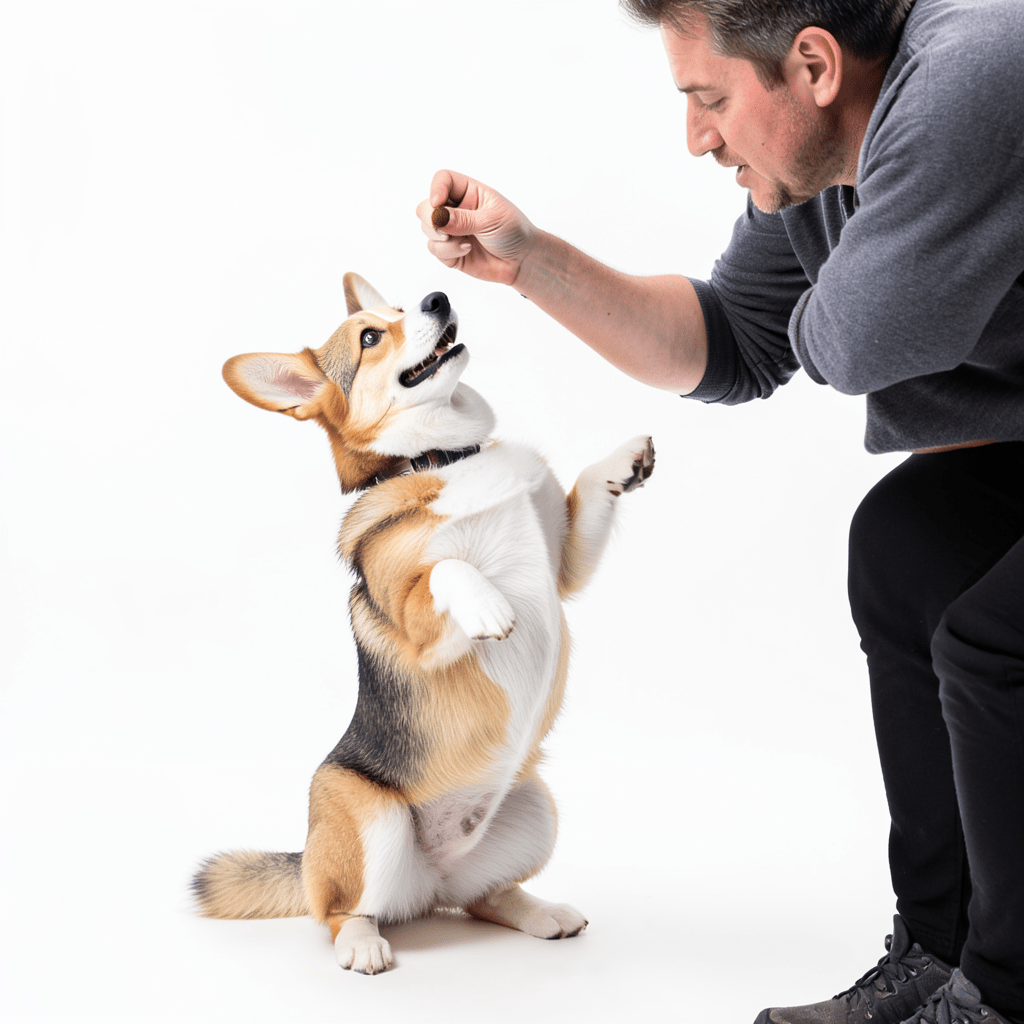
Dog socialization training is a critical foundation for raising a stable, confident, and well-mannered dog in modern environments. In 2026, training approaches have become more science-driven, focusing on emotional regulation, gradual exposure, and positive reinforcement techniques that shape long-term behavior. Rob’s Dog Training emphasizes structured, humane methods that help dogs adapt to people, environments, and other animals without fear or aggression. Effective dog socialization training reduces behavioral issues while strengthening trust and communication between dogs and handlers.
This guide explores expert strategies, behavioral principles, and real-world applications designed to improve canine social skills in a sustainable way.
Why Dog Socialization Training Matters More Than Ever
Dog socialization training plays a major role in preventing behavior problems that often develop from fear or lack of exposure during early development stages. Modern lifestyles expose dogs to complex environments such as crowded streets, urban noise, and frequent social encounters.
When proper socialization is missing, dogs may develop:
- Fear-based aggression toward strangers or other animals
- Anxiety in busy or unfamiliar environments
- Excessive barking or reactive behavior
- Difficulty following commands under distraction
Rob’s Dog Training focuses on building confidence through gradual exposure rather than overwhelming situations, allowing dogs to form positive associations with everyday experiences.
The Science Behind Dog Socialization Training
Behavioral science continues to support the idea that early and consistent exposure shapes canine temperament. Dog socialization training works by forming neural associations between stimuli and emotional responses.
Three key learning principles guide modern training:
1. Classical Conditioning
Dogs learn to associate new experiences with outcomes. Positive associations reduce fear responses over time.
2. Operant Conditioning
Behavior is shaped through reinforcement. Calm and appropriate responses are rewarded, increasing repetition of desired behavior.
3. Emotional Regulation Development
Proper training helps dogs regulate stress, preventing overreaction to stimuli such as loud sounds or unfamiliar dogs.
Understanding these principles allows training programs to move beyond obedience and focus on emotional stability.
Dog Socialization Training for Puppies vs Adult Dogs
Different age groups require different approaches in dog socialization training.
Puppy Socialization Window
Puppies experience a critical learning period between 3–16 weeks of age. During this time:
- Exposure to various people, textures, and sounds is essential
- Positive experiences shape lifelong behavior patterns
- Short, safe sessions prevent overstimulation
Adult Dog Socialization Challenges
Adult dogs may require behavior modification if they missed early exposure:
- Progress tends to be slower but still highly achievable
- Desensitization techniques become more important
- Controlled environments are essential for safety and success
Rob’s Dog Training applies customized methods depending on age, temperament, and history to ensure realistic progress.
Environments That Shape Dog Behavior
Effective dog socialization training must include exposure to multiple real-world environments. Dogs do not generalize behavior easily, so structured variety is necessary.
Key environments include:
- Residential areas with controlled distractions
- Parks with other dogs at a distance
- Urban streets with traffic noise
- Pet-friendly stores or public spaces
- Veterinary and grooming environments
Each environment introduces different sensory challenges. Gradual progression ensures the dog remains calm and receptive.
Step-by-Step Dog Socialization Training Plan
A structured approach ensures measurable and lasting improvement.
Step 1: Establish Baseline Obedience
Before exposure begins, basic commands such as sit, stay, and recall must be reliable. This provides control in unfamiliar situations.
Step 2: Introduce Controlled Stimuli
Low-intensity exposure helps dogs adjust without fear. Examples include:
- Distant dogs or people
- Recorded environmental sounds
- Short outdoor walks in quiet areas
Step 3: Positive Association Building
Each new experience should include rewards. Treats, calm praise, or play reinforce confidence.
Step 4: Gradual Social Interaction
Short, supervised interactions with calm dogs help build communication skills. Sessions should remain brief and predictable.
Step 5: Increase Complexity Over Time
Exposure shifts toward busier environments only when the dog shows consistent calm behavior.
Common Mistakes in Dog Socialization Training
Even well-intentioned training can fail if key mistakes occur.
Frequent errors include:
- Introducing too many stimuli too quickly
- Ignoring early signs of stress such as lip licking or stiff posture
- Inconsistent reinforcement of calm behavior
- Forcing interactions instead of allowing choice
Recognizing stress signals early is essential. Dogs communicate discomfort before escalation, and ignoring these signals can lead to setbacks.
Advanced Dog Socialization Training Techniques
When basic methods are not enough, advanced strategies improve outcomes.
Desensitization Protocols
Gradual exposure to triggers such as loud noises or crowds reduces sensitivity over time.
Counterconditioning Methods
Previously negative triggers are paired with positive outcomes to change emotional responses.
Structured Real-World Training
Simulated real-life scenarios prepare dogs for unpredictable environments, such as festivals or busy public spaces.
These methods require consistency and patience but produce long-term behavioral stability.
Behavioral Challenges and How to Address Them
Some dogs may display persistent behavioral issues during socialization.
Fear-Based Behavior
Fear often manifests as avoidance or aggression. Controlled exposure and patience are critical for progress.
Leash Reactivity
Dogs may bark or lunge when restrained. Distance management and focus training help reduce reactivity.
Overexcitement
Excessive enthusiasm can lead to poor impulse control. Calm reinforcement techniques help regulate energy levels.
Rob’s Dog Training uses individualized assessments to identify root causes before applying corrective strategies.
When Professional Dog Socialization Training Is Needed
Some situations require expert intervention for safe and effective results. Professional guidance becomes important when:
- Aggression is frequent or escalating
- Fear responses interfere with daily routines
- Training progress has stalled despite consistency
- Safety concerns exist for other animals or people
Professional programs provide structured environments, behavioral analysis, and step-by-step progression plans tailored to each dog’s needs.
Long-Term Maintenance of Social Behavior
Dog socialization training does not end after initial success. Long-term maintenance ensures behavior remains stable throughout life.
Best practices include:
- Regular exposure to new environments
- Reinforcement of calm behavior in daily routines
- Continued practice of obedience commands
- Occasional refresher training sessions
Dogs thrive on consistency. Without ongoing reinforcement, behaviors may regress over time.
Building Lifelong Confidence Through Dog Socialization Training
Dog socialization training is one of the most valuable investments in a dog’s long-term well-being. When done correctly, it creates confident, adaptable, and well-behaved companions capable of handling real-world environments with ease.
Modern methods in 2026 emphasize patience, structured exposure, and science-backed reinforcement techniques. Rob’s Dog Training applies these principles to help dogs develop emotional balance and reliable behavior patterns.
With consistency, proper guidance, and gradual progression, lasting behavioral transformation becomes achievable, resulting in a stronger bond between dogs and their handlers and a more peaceful everyday experience for both.