

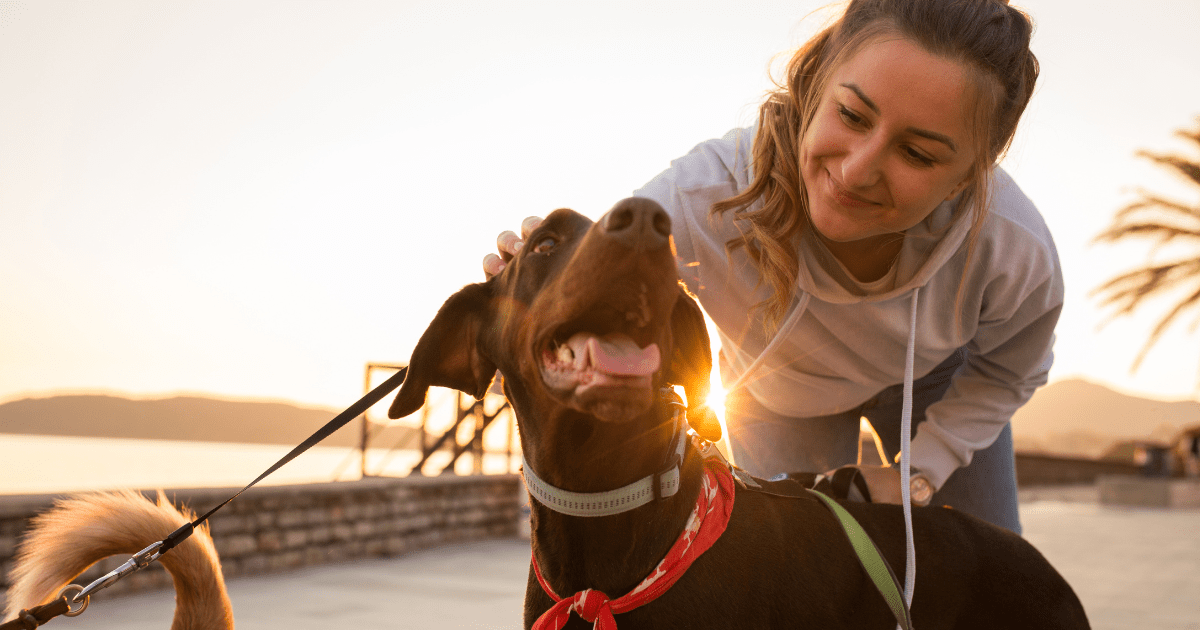
A dog walk looks simple from the sidewalk, but the money behind it is not simple at all. The Rover Dog Walking Business Platform Revenue Model for Gig Economy Workers is built on trust, local demand, service fees, repeat bookings, and the quiet math of how much a walker keeps after the app takes its share. For Americans looking at Rover as a side hustle, the real question is not “Can I get bookings?” It is “Can I turn those bookings into steady take-home pay?” A walker in Austin, Denver, or Tampa may set a $25 walk, but the posted rate, owner fee, provider fee, travel time, taxes, supplies, and cancellations all shape the final result. That is why app-based pet care needs to be treated like a small service operation, not loose spare cash. Many local freelancers already think this way when they study small business visibility and neighborhood trust signals. Rover gives you access to pet owners, payment tools, messaging, and reviews. You still have to build the income engine.
How Rover Converts Local Pet Care Demand Into Platform Revenue
Rover works because pet care is emotional, local, and urgent. A dog owner does not want a random stranger with a cheap rate. They want proof. They want photos, reviews, clear timing, and a person who will not vanish before a weekend trip. Rover turns that anxiety into a pet care marketplace where the owner can compare profiles and book through the app. The platform earns when a booking happens, while the walker earns only when the service is completed. That split sounds fair at first. The tension is that Rover owns the traffic, but the provider owns the labor.
Why the marketplace earns before the walker scales
Rover’s core model is not to own dog walking routes. It organizes demand and takes fees from the transaction. Pet parents can search by location, service type, dates, reviews, and care needs. Walkers and sitters create profiles, set rates, and accept requests that fit their schedule. The app handles payment and messaging, which reduces friction for both sides.
That convenience is the product. A new walker in Phoenix may have no website, no payment system, and no local client list. Rover can place that person in front of pet owners within the same zip code. In return, the platform takes a service fee from the provider side, and owners may see a booking fee at checkout. The walker gets access, but not for free.
Here is the non-obvious part: Rover does not need every walker to become full time. The platform benefits from having broad coverage across neighborhoods, including casual providers who take a few bookings per month. That supply gives owners more choice. For the walker, though, too much casual supply can make pricing feel tight in dense cities.
The trust layer is the real product
The listing page is only one piece. Reviews, response speed, profile photos, repeat clients, badges, and meet-and-greet behavior all affect whether a pet parent feels safe clicking “book.” Rover’s trust layer makes the platform more than a classified ad board. It reduces the fear that comes with handing over a house key, a leash, or a senior dog with medication.
That is why a walker with ten strong reviews can often beat a cheaper profile with no story behind it. In Chicago, for example, a downtown dog owner may pay more for someone who sends photos on time and writes a clear visit note. The dog may have only needed a 30-minute walk. The owner was paying for peace of mind.
This is where many new gig economy workers misread the opportunity. They think the lowest price wins. Often, the safest-looking profile wins. A few dollars saved matters less when the client is worried about a pet escaping, missing medication, or being left alone too long.
What the Dog Walking Business Revenue Model Means for Walkers
The Dog Walking Business revenue model on Rover is simple on the surface: set a rate, complete the service, and keep the amount left after fees. Under that surface, income depends on how many bookings you can handle without wasting time between them. A $22 walk can be better than a $35 walk if it is closer to home, easier to repeat, and paired with another booking nearby. Rover sitter earnings are not only about price. They are about route density, repeat clients, cancellation habits, and how well your profile filters out bad-fit requests.
The listed rate is not the same as take-home income
Rover says pet care providers generally take home 80% of their earnings after its service fee, while owners may pay a separate booking fee at checkout. Fee rules can vary by location or program, so a walker should check the current help page before setting prices. Still, the basic lesson is steady: the number on your profile is not the number that lands in your pocket.
Say you list a 30-minute walk at $25. After a 20% provider fee, the take-home before taxes and expenses would be $20. If the walk requires a 12-minute drive each way, parking, and a few minutes of messaging, the true hourly rate falls. The job may still be worth taking if the client books every weekday. It may not be worth it for one scattered request across town.
The hard part is emotional. New walkers often accept low-margin jobs because they want reviews. That can be smart for the first few bookings. But if you keep accepting every request, the app can train you into being busy without being profitable.
Repeat clients change the math more than higher rates
A one-time booking feels good, but repeat care is where the income model starts to breathe. A weekday client with a predictable lunch walk can reduce dead time, give you review depth, and make your calendar easier to plan. One loyal client can be more useful than three one-off bookings with awkward timing.
For example, a walker in suburban New Jersey might build a route around two houses within a mile of each other. Each owner books three walks per week. The walker spends less time driving, sends better updates, and gets known in that small area. That creates a tiny local service zone inside the bigger app.
This is also where side hustle pricing guide thinking matters. You are not pricing only the walk. You are pricing your availability, reliability, route, supplies, weather risk, and the time it takes to keep the client happy. Better Rover sitter earnings often come from saying no to jobs that break the route.
Costs, Taxes, and Risk Behind App-Based Pet Care Income
The app makes income feel clean because money moves through one system. Your real books are messier. Gig economy workers need to think about taxes, fuel, phone use, supplies, insurance gaps, and emergency risk before calling a month “profitable.” Pet care also has a human stress cost. A barking dog in the rain, a late key handoff, or a nervous owner can turn a small booking into a long afternoon. The people who last tend to treat the work like a local business with boundaries.
Why taxes can surprise new walkers
Gig income is taxable in the United States, even when it is part-time, temporary, or not reported on a form. The IRS Gig Economy Tax Center is worth reading before your first strong month, not after tax season starts. If you earn enough net self-employment income, you may need to file, track expenses, and plan for taxes instead of treating app deposits as spendable cash.
A simple habit helps: move a percentage of each payout into a separate tax account. Do this before buying treats, gas, shoes, or coffee between bookings. You do not need fancy software at first. A spreadsheet with date, service type, payout, mileage, parking, supplies, and notes can save pain later.
The counterintuitive move is to celebrate lower net profit only when it reflects smart expenses. A better leash, weather gear, or business mileage record can support the work. Random spending does not make the business stronger. It only makes the bank balance cloudy.
Risk is part of the pricing equation
Dog walking is physical work with living animals. That means risk travels with every booking. A dog may pull hard near traffic. A gate may not latch. A client may forget to mention reactivity around other dogs. Rover offers safety tools and support, but the walker still has to make judgment calls on the ground.
This should affect your rates and rules. A large high-energy dog in a busy downtown area is not the same job as a calm senior dog in a quiet cul-de-sac. A holiday weekend boarding request is not the same as a quick drop-in visit. If the job carries more responsibility, the price should reflect that.
A strong profile can help you set those boundaries without sounding cold. Say which dog sizes you handle, which neighborhoods you serve, how you manage keys, and when you require a meet and greet. Clear boundaries repel the wrong clients. That is good. The wrong booking can cost more than it pays.
How Walkers Can Build a Stronger Income Strategy on Rover
Once the fee math is clear, the next move is control. You cannot control Rover’s search system, every owner’s budget, or how many walkers join your city. You can control your service area, profile message, response time, add-ons, repeat client process, and private business habits. The pet care marketplace rewards people who look dependable before the first message. It rewards them even more when the first booking feels calm.
Build a profile that answers buyer fear
A good Rover profile is not a résumé. It is a risk reducer. Pet parents want to know whether you will show up, follow instructions, handle surprises, and respect their home. Your profile should answer those fears in plain language. Mention your routine for walk notes, water checks, leash safety, and photo updates.
Use local detail. “I walk in the Heights, Montrose, and nearby Houston neighborhoods” feels more useful than “I love dogs.” Mention apartment buildings, heat, icy sidewalks, fenced yards, or senior pets if those details match your experience. Local proof makes your profile feel lived-in.
Photos matter too. A clean headshot, calm pet photos, and a friendly tone can raise trust before the first message. The hidden win is that better-fit clients contact you. That reduces awkward declines and rushed meet and greets.
Use Rover as a launchpad, not a whole plan
Rover can bring early demand, but depending on one app can leave your income exposed. Search placement can change. Local competition can rise. Your availability may shift. A stronger plan treats Rover as one channel inside a broader pet care brand, even if that brand is one person with a phone and a clean calendar.
That does not mean pushing clients away from the app or breaking platform rules. It means building habits that travel with you: great notes, consistent service zones, client memory, review requests, and clean bookkeeping. You can also create supporting assets like a simple bio page, neighborhood flyers, or a referral process that points people back to your booking channel when needed.
This is where local service SEO basics can support long-term growth. A walker who understands local search, reviews, and neighborhood language has more options than someone waiting for the app to send work. Rover may open the door. Your reputation keeps it open.
Conclusion
Rover is not magic money, and it is not a scam. It is a marketplace that can work well when you understand who gets paid, when fees apply, and how local trust turns into repeat bookings. The Rover Dog Walking Business Platform Revenue Model for Gig Economy Workers makes the most sense for people who think like operators, not task takers. That means tracking take-home pay, protecting time, pricing for risk, and building a profile that makes pet owners feel safe before they message you. The walkers who struggle often chase every booking. The walkers who grow learn which bookings fit their route, skill, and income target. In the U.S., where pet care demand can change by neighborhood, season, and work schedule, the best strategy is steady and local. Start with clear math. Build trust in small circles. Keep records from day one. Then treat every walk as proof that your next booking should cost a little more.
Frequently Asked Questions
How much can a Rover dog walker make after fees?
Take-home pay depends on your listed rate, Rover’s current provider fee, taxes, expenses, and travel time. A $25 walk may not feel like $25 after fees and driving. Repeat nearby clients usually improve earnings more than scattered high-priced jobs.
Is Rover worth it for part-time gig workers?
It can be worth it if your schedule matches local demand and you manage costs. The app helps with discovery, payment, and reviews. It works best for people who can respond fast, serve a tight area, and turn first-time clients into repeat bookings.
What expenses should Rover walkers track?
Track mileage, parking, tolls, pet supplies, cleaning items, phone costs tied to work, safety gear, and any paid tools used for scheduling or bookkeeping. Keep receipts and notes. Good records help you see whether the work is producing profit, not only cash flow.
Do Rover sitters set their own prices?
Providers can set their own listed rates, but the market affects what owners will accept. Reviews, location, service type, holiday demand, pet needs, and response speed all shape pricing power. New walkers may start lower, then raise rates after earning trust.
What makes a Rover profile stand out?
A strong profile answers owner concerns before they ask. Clear photos, local service areas, safety habits, pet experience, response expectations, and warm but specific language all help. Reviews and repeat clients add proof that your care is reliable.
Can Rover become a full-time income source?
It can for some providers, but full-time income usually requires dense demand, strong reviews, repeat clients, smart routing, and careful expense tracking. Many people use it as one income channel alongside private pet care, other gig work, or a flexible job.
How do cancellations affect Rover income?
Cancellations can create empty calendar gaps that are hard to refill. A walker should understand cancellation settings, avoid overbooking, and favor reliable repeat clients. Predictable weekly bookings reduce income swings more than random one-time requests.
What is the best way to grow on Rover?
Focus on a small service area, respond fast, request reviews, write careful visit notes, and price around net income instead of listed rates. The best growth often comes from being known as the reliable walker in a few neighborhoods, not chasing every request.