

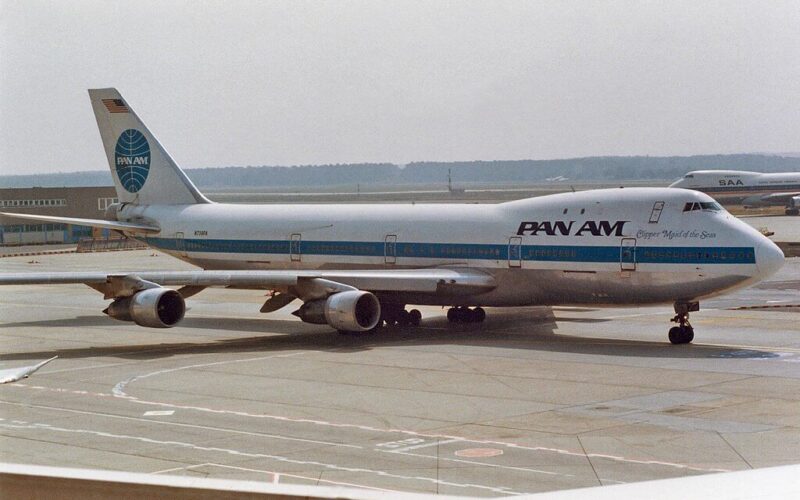
The blue globe did not disappear because Americans stopped caring about travel. The Pan Am Airlines story fell apart because a company built for one age had to fight in another, faster, harsher one. For U.S. readers, the lesson still feels close to home: even a famous name can lose its footing when debt, competition, timing, and public trust all turn against it. Pan Am had glamour, history, and global reach, yet it lacked the domestic strength that new market rules demanded. That gap matters to anyone studying business visibility and reputation because fame can hide weak mechanics until the bill arrives. The brand helped teach Americans what international flying could feel like, then became a warning about what happens when pride slows repair. This airline brand failure was not one clean crash. It was a long descent, with several bad choices meeting several brutal events at the same time.
The Brand Was Built for a Protected Sky
Pan Am grew up in an era when aviation felt closer to diplomacy than retail. Routes were not won by a flash sale or a fare war. They were shaped by government approvals, national ambition, and long-range aircraft that made the world feel smaller. That gave the company a rare place in American life. It was not the official flag carrier, but many travelers treated it like one.
How glamour covered weak business bones
The brand’s magic was real. A Pan Am bag, a blue globe logo, and a flight to Paris or Rio carried a charge that few companies ever earn. For decades, that glow helped the airline stand apart from ordinary carriers. It sold a mood as much as a seat.
The problem was quieter. The company’s strength sat heavily in international flying. That worked when international routes were protected and prized. It became a burden when rivals could feed passengers from many U.S. cities into global flights. A traveler from Denver, St. Louis, or Phoenix needed easy connections before crossing the ocean. Pan Am often had to depend on other carriers or patchy access to those customers.
That is a strange flaw for such a famous company. The airline looked global, but it did not always control the local path that got Americans to its global network. In aviation, the first short hop can decide who wins the long flight.
Why early success made later change harder
Great brands can become trapped by the story people tell about them. Pan Am was the airline of clippers, jet-age service, and overseas ambition. That past was a gift, but it also made management think in grand moves. When the market changed, the company needed dull discipline: costs, feeder traffic, labor fit, cash control, and route math.
The company’s old world rewarded prestige. The new one punished loose numbers. Airline deregulation changed the U.S. market by opening more room for price fights and route competition. The official Airline Deregulation Act text shows the policy shift toward competition, which sounds healthy until you are the company with the wrong network for that fight.
Here is the non-obvious part: Pan Am’s prestige made its pain harder to fix. A smaller, humbler carrier might have cut faster and rebuilt around fewer strong routes. Pan Am had a name that seemed too grand to shrink. That feeling can wreck a boardroom. A brand can become so admired that leaders delay the ugly moves needed to save it.
Why Pan Am Airlines Failed After the Market Changed
The new airline market did not kill Pan Am in a single strike. It changed the rules under the company’s feet. The old advantage, international authority, mattered less when customers expected easy domestic connections, lower fares, and frequent service. Pan Am needed a home-market machine, not only a global image.
Deregulation exposed the missing domestic network
After airline deregulation, domestic carriers could fight harder for routes and passengers. American, Delta, United, and others had systems that pulled travelers from smaller U.S. cities into major hubs. That gave them a steady stream of passengers for long-haul flights. Pan Am had fame at the top of the funnel but weaker control at the bottom.
The company tried to solve that by buying National Airlines in 1980. On paper, the deal made sense. National gave Pan Am more domestic routes, including Florida strength, and seemed to offer the feeder traffic it lacked. In practice, the deal became costly and messy. Mergers in airlines are not simple logo swaps. Labor groups, fleets, systems, route habits, and customer expectations all collide.
A Florida example shows the tension. Miami should have been a powerful bridge to Latin America. Yet a route map alone does not make a machine. You need cost control, schedule trust, gate strength, and a sales system that fills seats without draining cash. Pan Am gained pieces, but not the clean network rhythm its rivals had built over years.
The National deal solved one problem and created several
The National purchase may be the clearest case of a right idea handled at the wrong price and time. Pan Am needed domestic feed. Few serious airline people would deny that. The trouble came from how much the company had to absorb while its own position was already under stress.
Debt matters more in airlines than in many other businesses because the product expires every time a plane leaves with empty seats. You cannot store yesterday’s unsold seat and sell it next week. When interest costs, fuel bills, wages, and aircraft costs pile up, a carrier needs steady cash. Pan Am had too many weak spots at once.
That leads to a hard lesson for business turnaround lessons. The fix for a strategic gap can become the next crisis if the buyer lacks room to breathe. Pan Am bought a domestic answer, but the answer came with weight. A company under pressure can make a logical move and still lose because the timing is wrong.
Trust Took a Blow the Balance Sheet Could Not Absorb
By the late 1980s, Pan Am was not a healthy company waiting for one unlucky event. It was already selling assets and fighting to stay alive. Then came the kind of public shock no airline can treat as a normal business setback. The bombing of Flight 103 over Lockerbie in 1988 caused deep grief, legal pressure, and lasting damage to trust.
Lockerbie changed the emotional price of the ticket
Airlines sell safety before they sell comfort. Passengers may complain about legroom, meals, delays, or fares, but they board because they believe the system will protect them. After Lockerbie, Pan Am had to face a wound that went beyond money. The brand name itself became tied to fear and loss.
For American families, the disaster was not abstract. Students, holiday travelers, and ordinary passengers were part of the human cost. That matters when studying Pan Am bankruptcy because balance sheets do not show the full force of public doubt. A damaged safety image can lower bookings, raise legal costs, and make partners nervous at the same time.
The counterintuitive point is that Lockerbie did not destroy a strong airline. It struck a weak one. Strong companies can sometimes survive awful events because they have cash, trust reserves, and operating slack. Pan Am had little of that left.
Selling crown jewels made survival feel smaller
To stay alive, Pan Am sold valuable pieces of itself. The Pacific routes, the Pan Am Building, and other assets were not minor extras. They were symbols and earning tools. Each sale brought cash, but it also made the future company less powerful.
That is the cruel math of a distressed brand. Selling assets can buy time, yet it can also reduce the reason investors should believe in the next plan. A store that sells its best location may pay creditors this month. Then it has to explain how next month will be better with a weaker footprint.
This is where brand failure case studies often miss the emotional side. Customers notice when a proud company starts shrinking. Employees notice sooner. Travel agents, lenders, and corporate buyers notice too. Once enough people act as if a company might not last, the doubt itself becomes another cost.
The Final Year Was a Fight for Cash and Confidence
The end came through bankruptcy court, asset deals, and a failed attempt to keep a smaller carrier alive. That sounds technical, but the human scene was blunt. Travelers were stranded, workers lost careers, and a name that had carried Americans across oceans stopped flying. The final collapse was less like a sudden fall and more like a bridge giving way after years of rust.
The 1991 reorganization could not outrun reality
Pan Am filed for bankruptcy protection in January 1991. The goal was not instant closure. The company and its creditors explored ways to sell assets, cut the business down, and keep a smaller operation running. Delta became a key buyer and potential partner for parts of the plan.
The idea of a leaner Pan Am based around Miami and Latin America had some logic. Miami had geographic value. Latin America was not a random bet. Yet a plan needs cash, bookings, labor peace, and confidence from the people expected to fund it. By late 1991, the numbers were not strong enough to carry the story.
That final point matters. Many people prefer a villain in a collapse story: one bad CEO, one buyer, one law, one disaster. Pan Am offers no such comfort. The final plan failed because too many parties could see the same thing. The new company did not look safe enough to fund.
What ended the iconic brand in plain terms
The simplest answer is this: Pan Am lost the power to connect its legend to a working business model. Its routes, costs, debt, and public trust no longer lined up. The company had a global name, but rivals had stronger systems. It had history, but history could not pay fuel bills.
The ending on December 4, 1991, still feels harsh because the brand had done so much to define American travel. Yet the shutdown was not a mystery. A costly domestic catch-up move, fierce competition, asset sales, security trauma, weak cash, and failed reorganization all met in the same narrow doorway.
There is one last insight here, and it is useful beyond aviation. The public often sees collapse only when the sign comes down. Inside the business, collapse begins earlier, when each rescue move makes the next rescue harder. Pan Am kept finding time. It ran out of future.
Conclusion
Pan Am’s end still carries a sting because it was more than a company closing its doors. It was the loss of a symbol that once made distance feel glamorous and American ambition feel airborne. Yet nostalgia should not blur the business lesson. The company did not fail because glamour stopped working. It failed because glamour had to sit on top of route strength, cash discipline, safety trust, and a network built for the market it actually faced. Pan Am Airlines left behind a warning that every famous brand should study before trouble becomes public. If the operating model weakens, reputation turns from shield to spotlight. People watch the fall because they remember the height. For founders, marketers, airline fans, and U.S. business readers, the lesson is sharp: protect the engine beneath the image. A beloved name can open the door, but only a sound business can keep it open.
Frequently Asked Questions
What was the main reason Pan Am collapsed?
The main reason was a poor fit between its business model and the post-deregulation airline market. Pan Am had a famous global brand, but it lacked a strong domestic feeder network, carried heavy costs, sold key assets, and could not rebuild trust and cash flow fast enough.
Did airline deregulation cause Pan Am to fail?
Airline deregulation did not act alone, but it exposed Pan Am’s weak spots. The company had been built around protected international routes. Once competition grew and domestic networks mattered more, rivals with stronger U.S. hub systems had a clear advantage.
How did the National Airlines merger hurt Pan Am?
The National Airlines deal gave Pan Am domestic routes, but it also added cost, debt, and integration problems. The purchase tried to solve a real feeder-network gap, yet it came when the company needed a cleaner and less expensive fix.
Was Lockerbie the reason Pan Am went bankrupt?
Lockerbie was a major blow, not the only cause. The disaster damaged public trust, increased legal pressure, and hurt the brand. Still, Pan Am was already under financial stress before 1988, which made the impact harder to survive.
When did Pan Am file for bankruptcy?
Pan Am filed for bankruptcy protection in January 1991. The company tried to reorganize, sell assets, and continue as a smaller airline, but the plan could not win enough confidence or funding to keep operations going.
When did Pan Am stop flying?
Pan Am stopped flying on December 4, 1991. The shutdown ended one of the most recognized names in American aviation and left passengers, employees, and travel partners dealing with the sudden finish of a long decline.
Why did Pan Am sell its best routes and assets?
The company needed cash to survive. Selling major assets helped cover short-term pressure, but it also weakened the future business. Each sale reduced the earning power and symbolic strength that might have helped a smaller Pan Am recover.
What can businesses learn from Pan Am’s failure?
A famous brand cannot replace a sound operating model. Pan Am shows that reputation, history, and customer affection matter, but they must be backed by cash control, market fit, trust, and the courage to change before crisis limits every choice.